A mining village
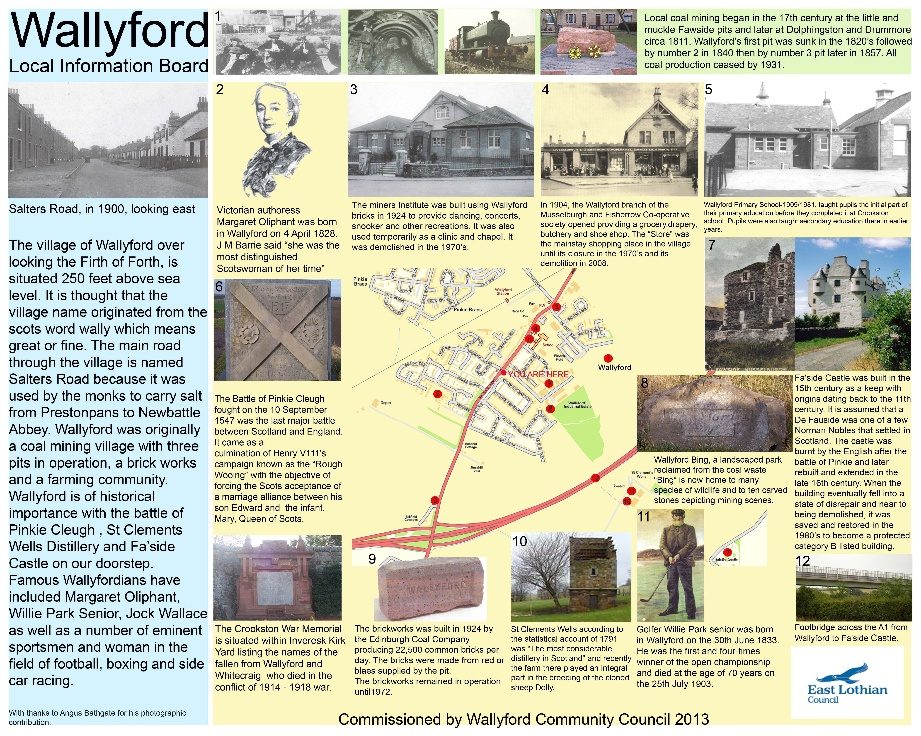
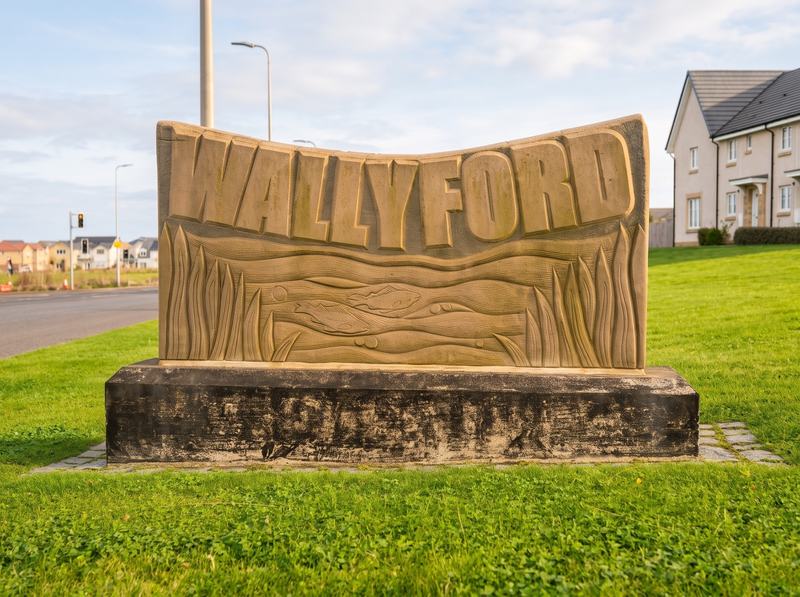
Wallyford sits on high ground looking out over the Firth of Forth, just across the railway from Musselburgh. The name is thought to come from the Scots word wally, meaning great or fine (according to Liz Curtis, in her Place-names of East Lothian). Alternatively it may mean “ford over a small stream”, as the Scots wall means both “source of water, spring” and “pool or stream fed by a spring”. Salters Road is named after the monks who carried salt along it from Prestonpans to Newbattle Abbey.
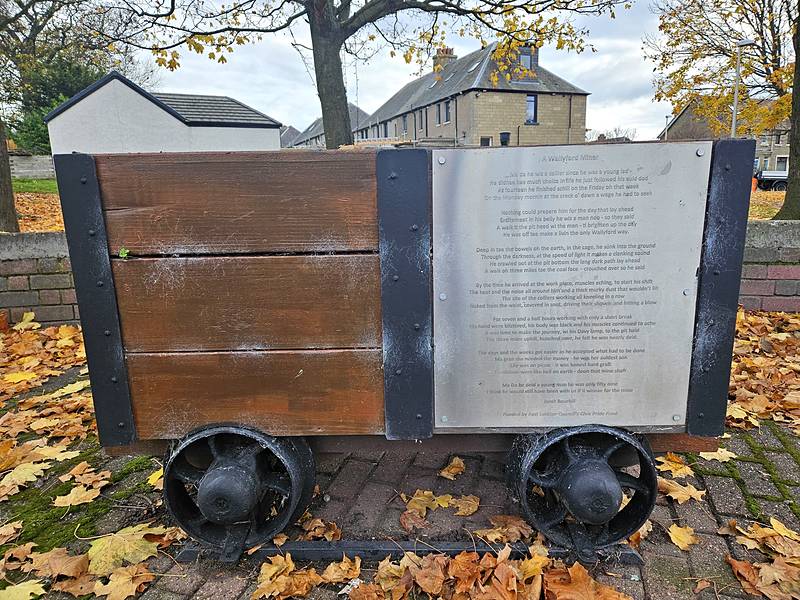
For most of its history Wallyford was a mining village, with three pits, a brickworks and the farms around it. Since 2016 it has grown faster than ever, with new homes, a new primary school and the Wallyford Learning Campus.
Wallyford through the years
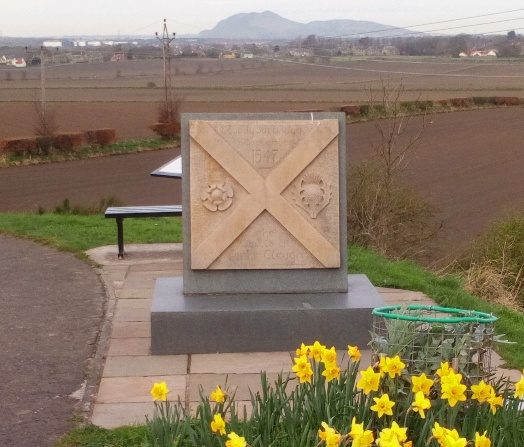
- 10 September 1547 The Battle of Pinkie Cleugh is fought on the fields between Musselburgh, Wallyford and Dalkeith.
- 1600s Coal mining begins locally at the little and muckle Fawside pits.
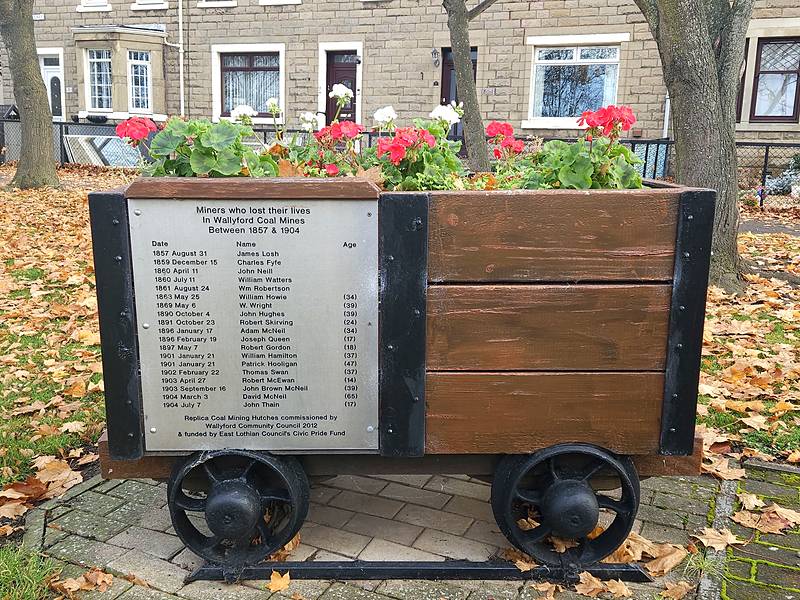
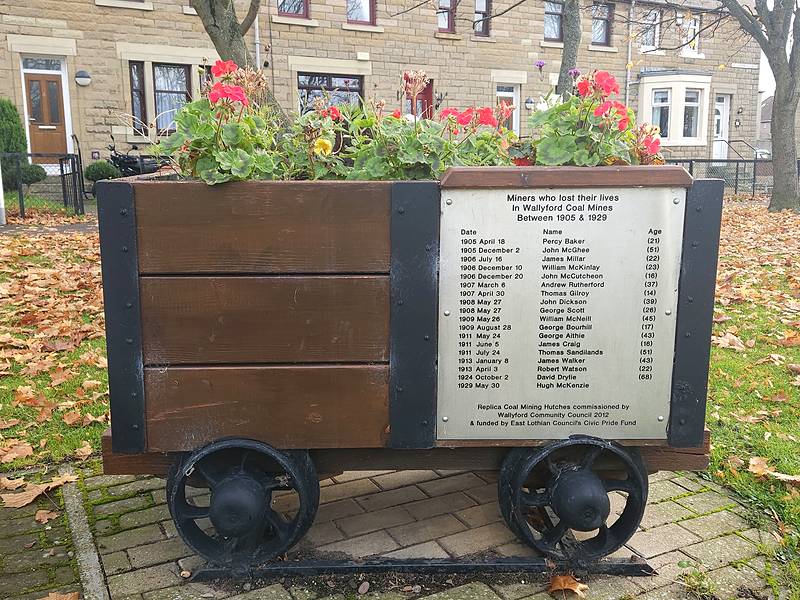
- 1820s to 1857 Wallyford's first pit is sunk in the 1820s, followed by No. 2 pit in 1840 and No. 3 pit in 1857.
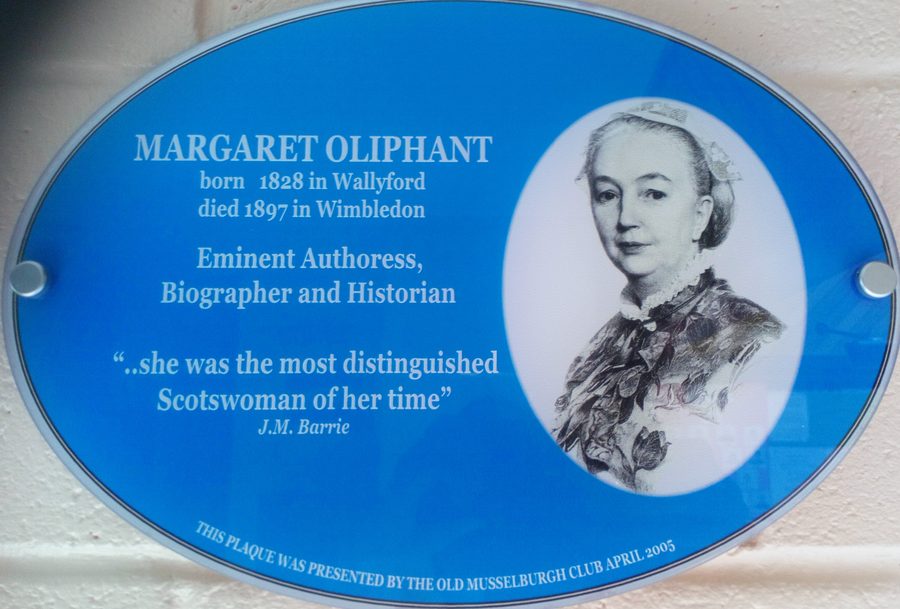
- 4 April 1828 The novelist Margaret Oliphant is born in Wallyford.
- 1904 The Co-op opens a Wallyford branch. "The Store" is the heart of village shopping until the 1970s.
- 1924 The brickworks opens, making 22,000 bricks a day from red blaes from the pit. The Miners' Institute is built from Wallyford bricks the same year.
- By 1931 Coal production in Wallyford has ended.
- 1972 The brickworks closes.
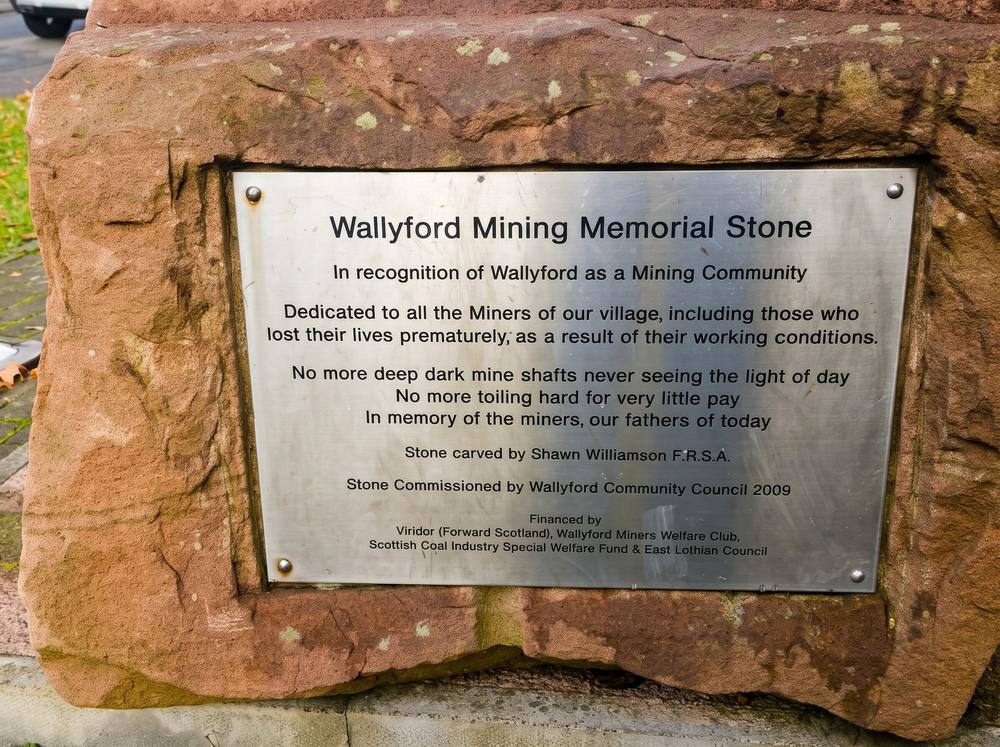
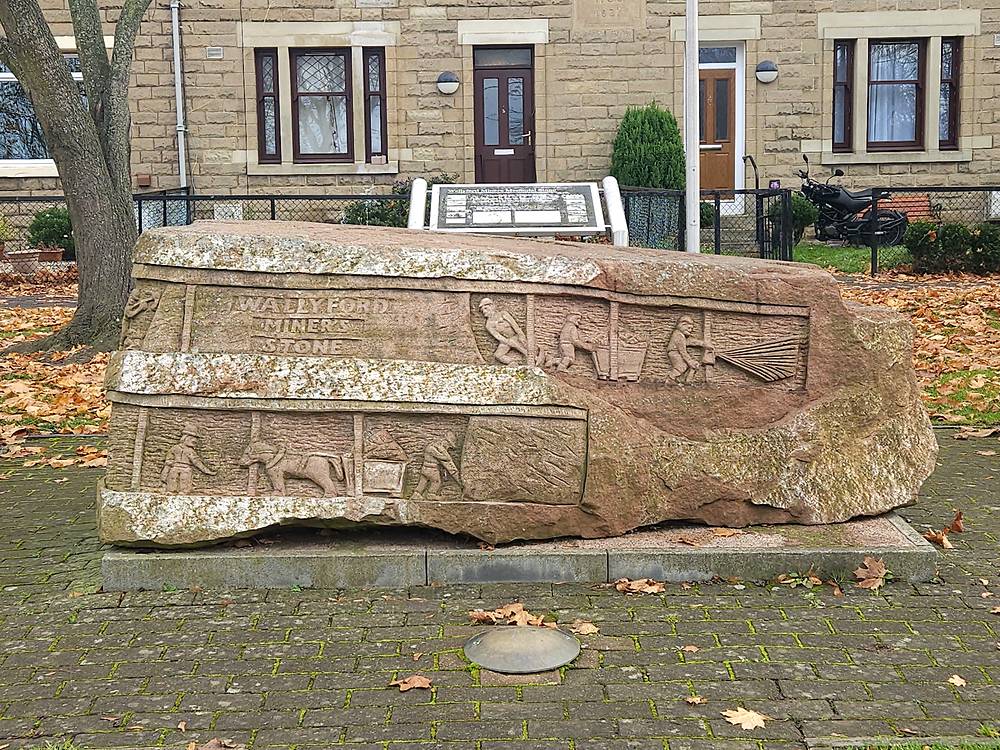
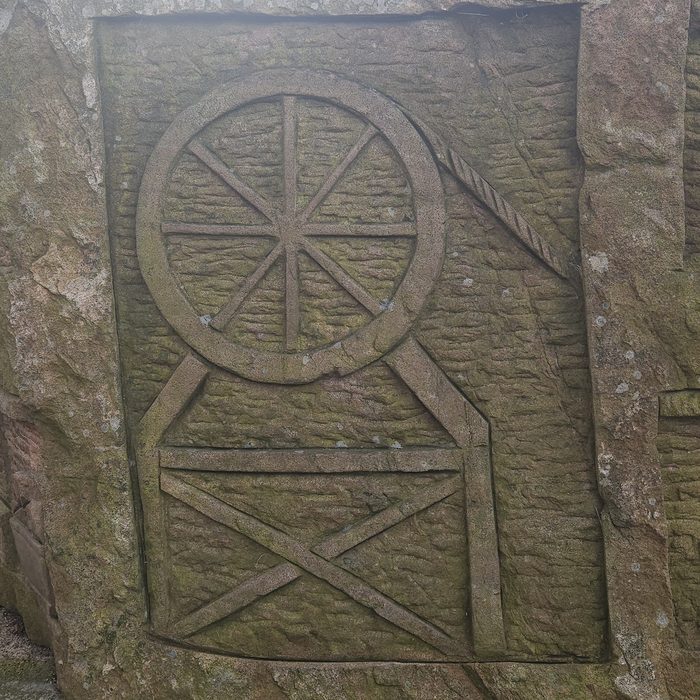
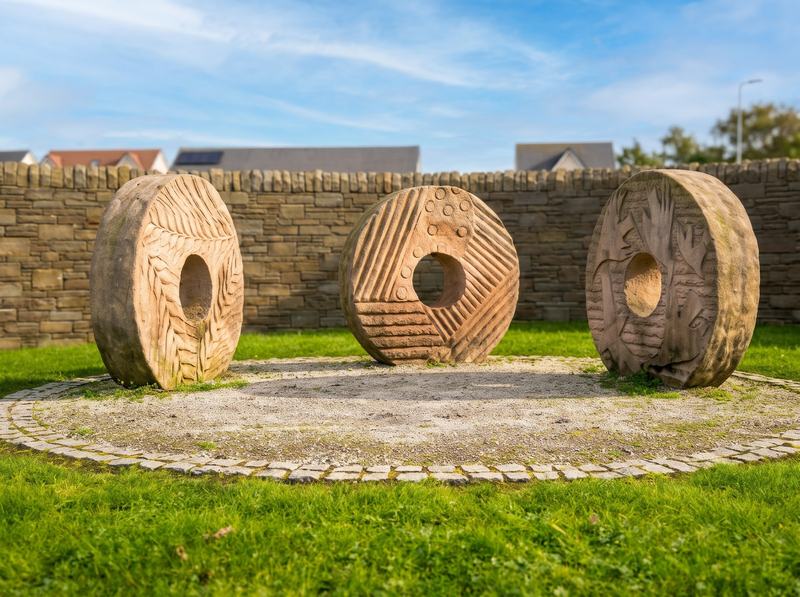
- 2010 The Miners' Stone is unveiled in St Clement's Gardens.
- 2016 onwards New homes, a new primary school and the Wallyford Learning Campus.
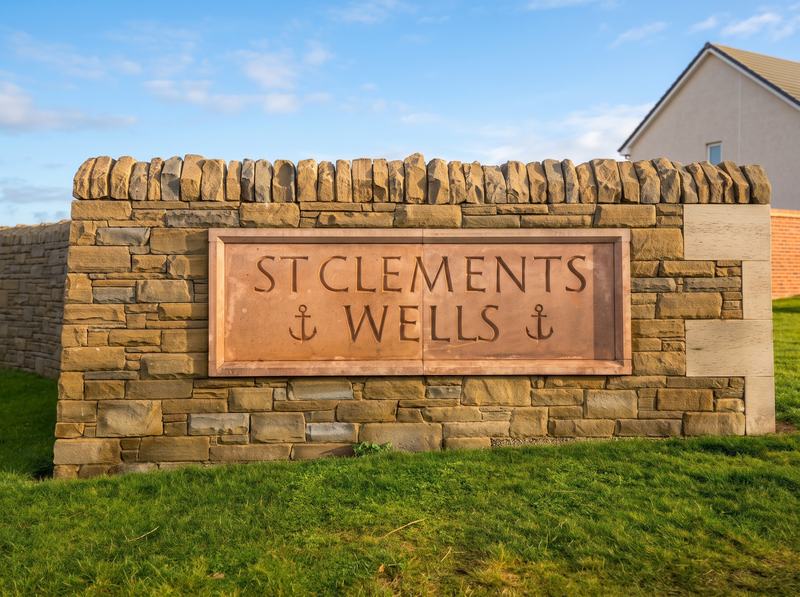
Nearby are St Clement's Wells, whose distillery was described in 1791 as "the most considerable distillery in Scotland", and Fa'side Castle, burnt by the English after the Battle of Pinkie and restored in the 1980s.